Learning Quran Online: A System That Holds
Remote circles are not easier classrooms. The four tools they need, the 30-minute session shape, and how to build accountability without presence.
এই পৃষ্ঠায়
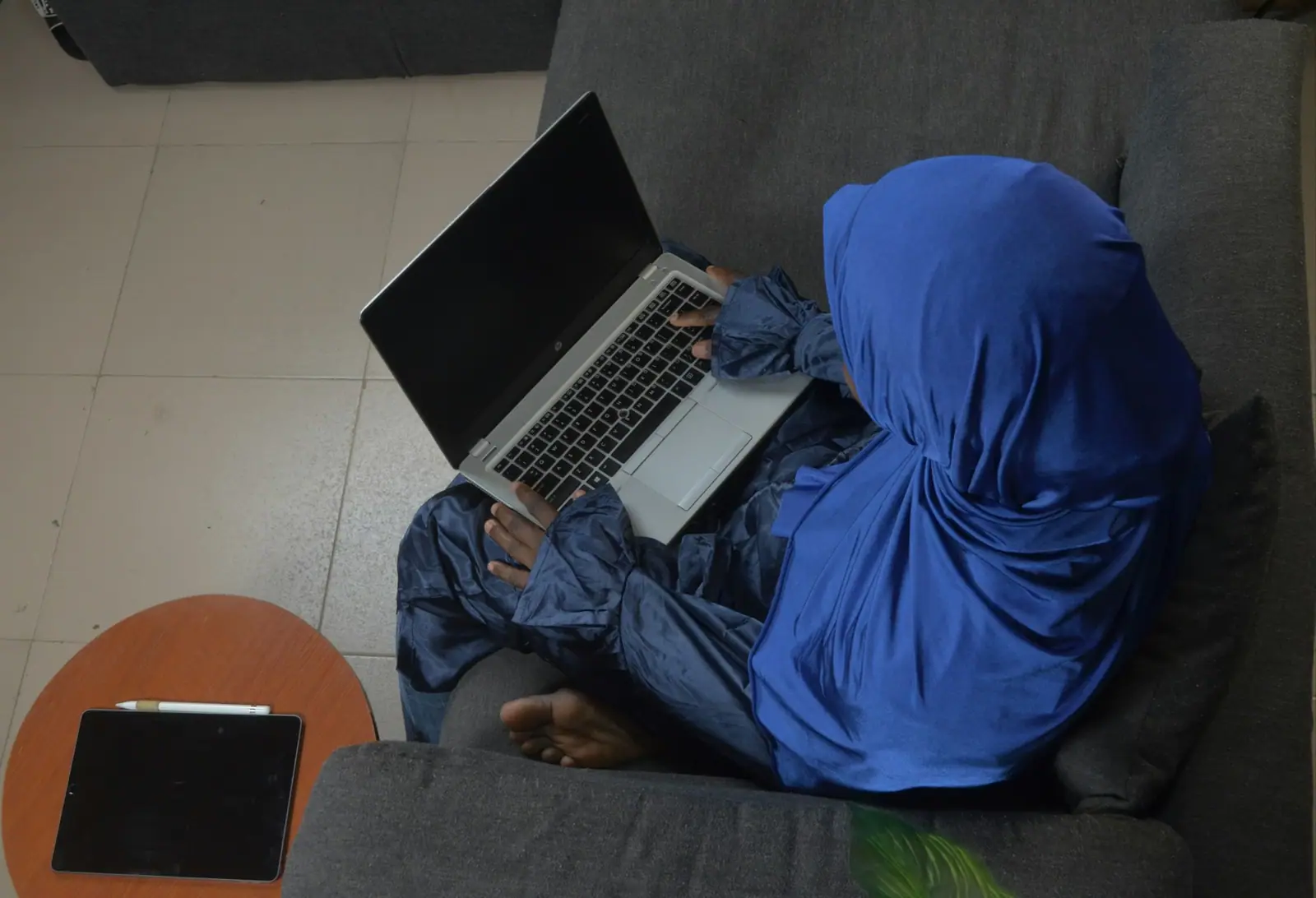
Learning the Quran online is now an ordinary choice, not an exception, after virtual circles proved they can produce memorisers. But it is not an easier version of an in-person circle: it is a different system with different rules, and treating it like the classroom fails in the first month.
What works remotely and what does not
| Activity | Suitability |
|---|---|
| Reciting and correcting | Excellent |
| Articulation points | Good, with clear audio |
| Explaining rules | Excellent |
| Group competition | Weak |
| Daily follow-up | Moderate, needs a system |
Remote learning is strong at correction and explanation, weak at accountability. The system must therefore be built on tools that replace presence.
The four tools without which it fails
- Stable audio — video is optional, audio is not.
- A shared mushaf on screen — to correct position, not only memory.
- Session recording — with permission, for review between sessions.
- A tracking sheet — paper or app, with homework and dates.
Whoever does not record the session asks the same question next time; whoever does not write the homework forgets it.
The ideal session: 30 minutes
| Minute | Activity |
|---|---|
| 0–5 | Recite the previous homework |
| 5–15 | Correction and tajweed |
| 15–25 | New material |
| 25–30 | Set and write the homework |
Any session without the last five minutes produces a lost week.
Building accountability
- A fixed slot: same day and hour weekly, not renegotiated each week.
- A daily minimum: ten minutes of recorded self-recitation, sent to the teacher.
- A weekly written review: what you memorised, what you reviewed, what faltered.
- A small group: two to four students raises commitment and keeps competition alive.
Choosing a programme or teacher
Ask before paying:
- How many students in the session?
- Is the session recorded?
- What is the make-up policy?
- Is there a periodic written assessment?
- Which tajweed curriculum is used?
- Can I try one session?
Vague answers here mean a vague method.
Technical problems and fixes
| Problem | Fix |
|---|---|
| Choppy audio | Wired connection, close background apps |
| Echo | A headset with a microphone |
| Slow screen sharing | A light mushaf made for sessions |
| Power cuts | Save an alternative number and a make-up slot |
Technical readiness is part of commitment, not a luxury.
A sample week
| Day | Activity | Duration |
|---|---|---|
| Sat | Live session | 30 min |
| Sun–Thu | Recorded self-recitation | 10 min |
| Tue | Optional short session | 15 min |
| Fri | Free review | 20 min |
Mistakes that break the experience
- Relying on enthusiasm instead of a fixed slot.
- Not recording sessions.
- Long, scattered sessions instead of short, regular ones.
- Neglecting tajweed because "remote is for speed".
- No written assessment, so you never know whether you progressed.
FAQ
Is a remote ijazah possible? Yes, with recognised institutes and scholars, on condition of live listening rather than scattered recordings.
Does remote work for children? From eight years old, in twenty-minute sessions, with a parent present at the start.
What if the connection always drops? Change provider or time. Staying in a bad technical environment kills motivation.
Bottom line
Remote learning works with a fixed slot, a short structured session, recordings to review, and written homework. It is not a replacement for presence — but sometimes it is better, because the precise teacher may be on another continent.
শিক্ষকের সাথে শিখতে চান?
ফ্রি ২৫ মিনিটের ট্রায়াল পাঠ, কোনো বাধ্যবাধকতা নেই।
সাধারণ প্রশ্ন
هل الإجازة ممكنة عن بُعد؟
نعم عند معاهد ومشايخ معتبرين، بشرط سماع مباشر لا تسجيلات متفرقة.
هل الأطفال يصلح لهم البُعد؟
من ٨ سنوات فأكثر بجلسات ٢٠ دقيقة، مع حضور ولي الأمر في البداية.
ماذا لو انقطع الاتصال دائمًا؟
غيّر المزود أو الوقت. الاستمرار في بيئة تقنية سيئة يُفقد الدافع.